·AI Agent Engineering
Role-Based AI Agents: Enterprise Integration Architecture
Design role-based AI agents that connect safely to ERP, CRM, ticketing, identity and knowledge systems through APIs, permissions, approvals and audit trails.
Technology learning library
Evidence-based answers, implementation checklists and guided lab routes across our five specialist training tracks.
Design role-based AI agents that connect safely to ERP, CRM, ticketing, identity and knowledge systems through APIs, permissions, approvals and audit trails.
Choose between deterministic automation, a single AI agent and multi-agent orchestration using task variability, risk, measurability and operating cost.
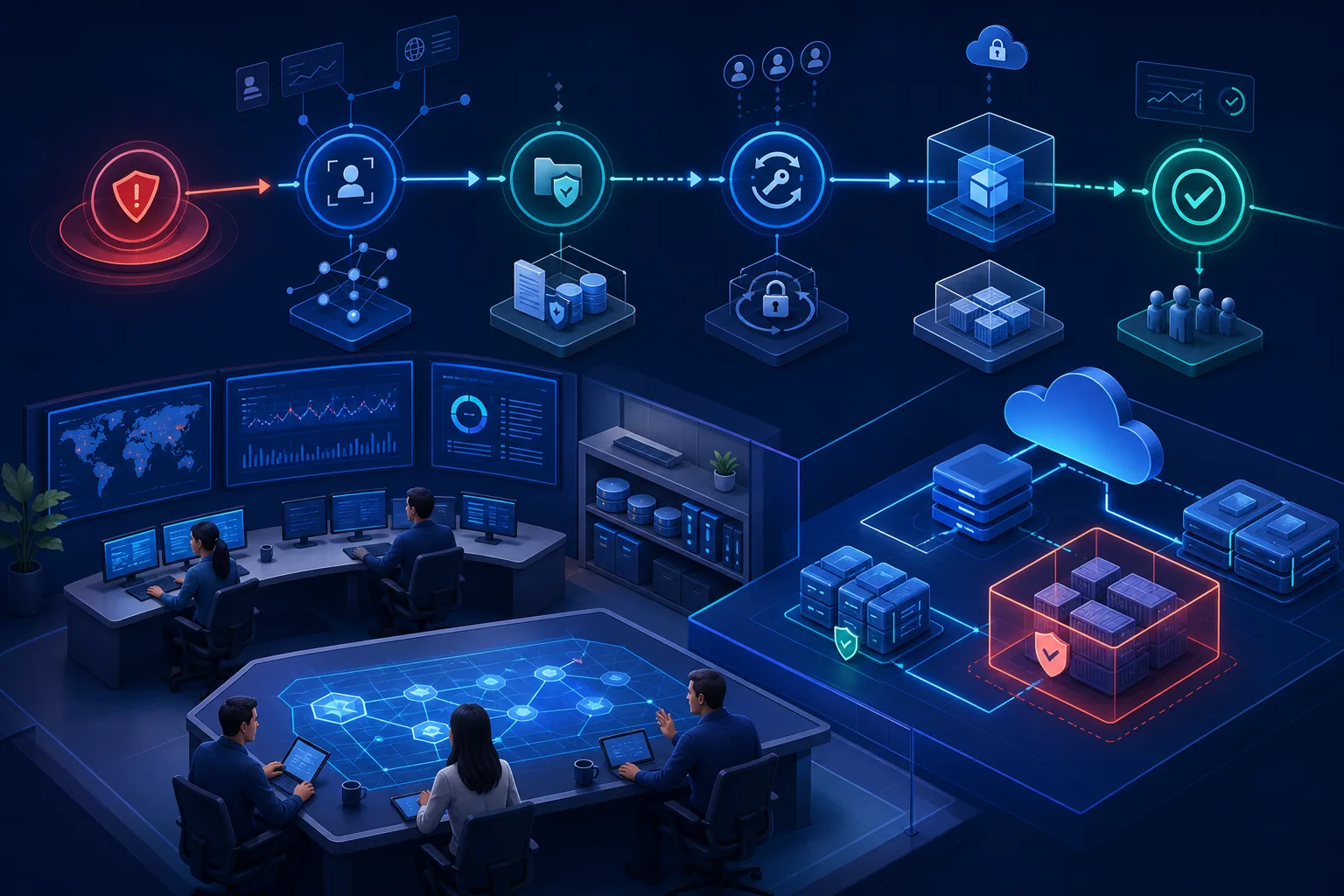
Plan cloud and AI incident response across identity containment, agent tool misuse, evidence preservation, credential rotation, recovery and control validation.
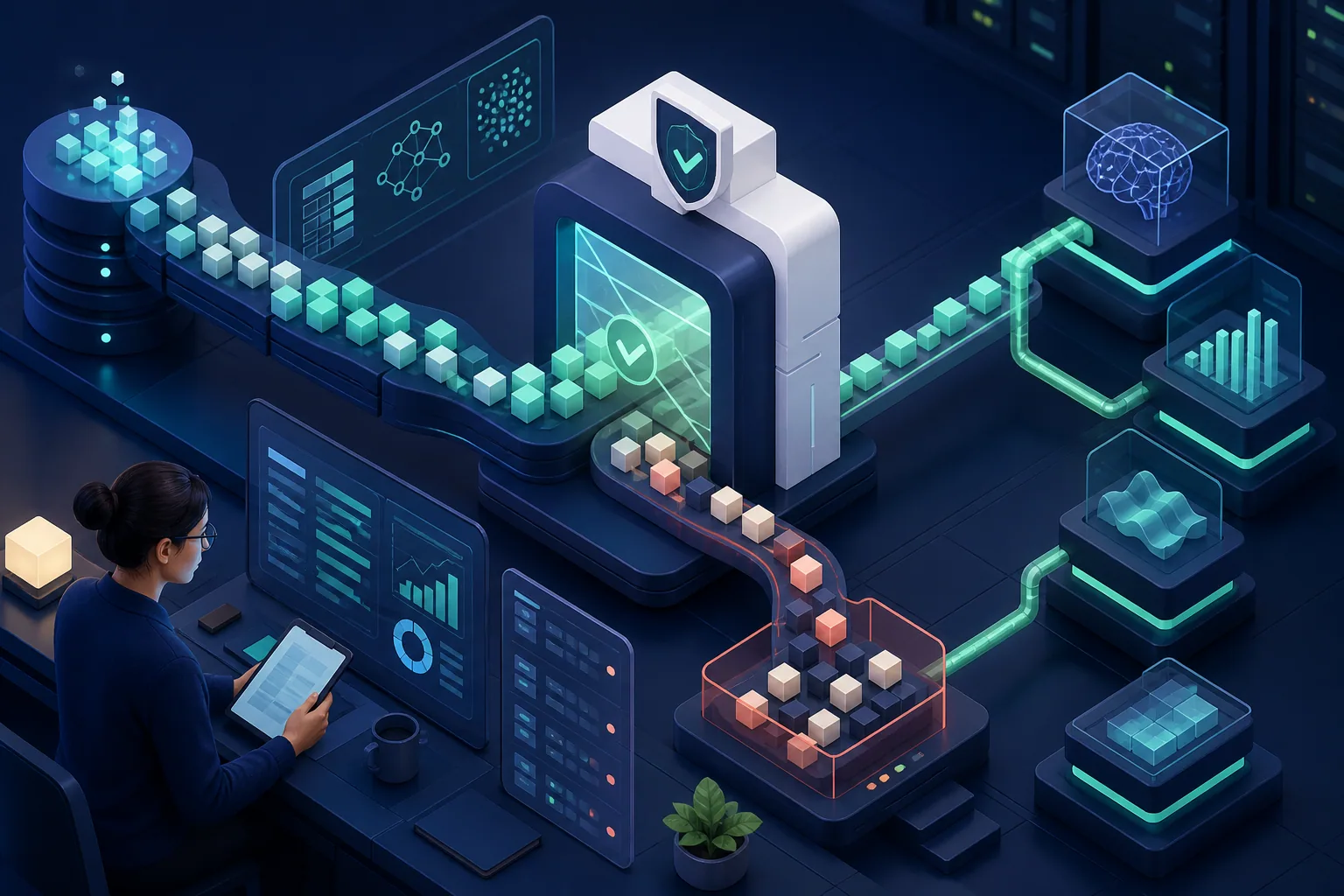
Use data contracts to control schema evolution, semantics, quality, ownership, privacy and service expectations across analytics and AI data pipelines.
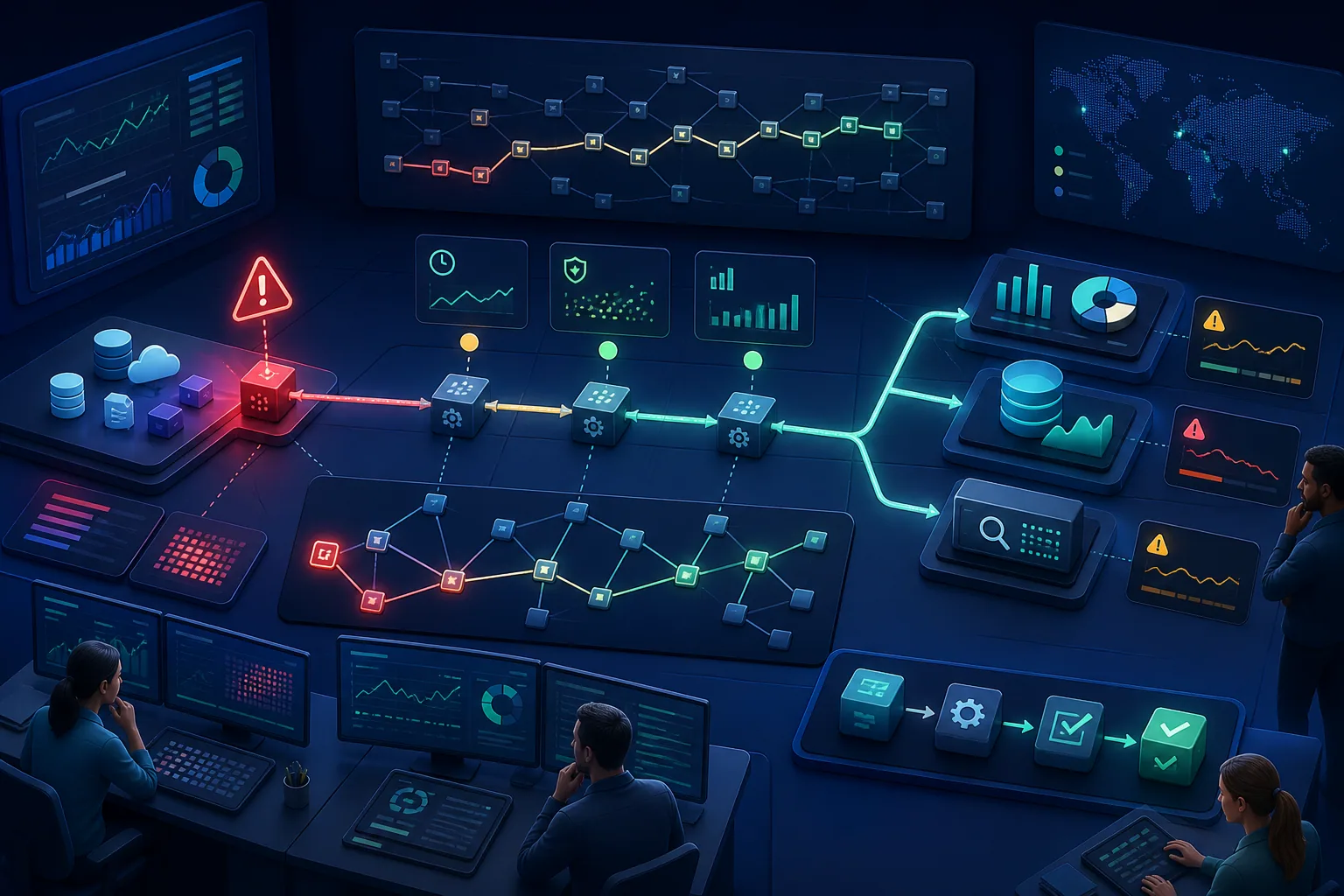
Monitor AI data pipelines with freshness, volume, distribution, contracts, lineage, ownership and incident response from source to model or retrieval output.
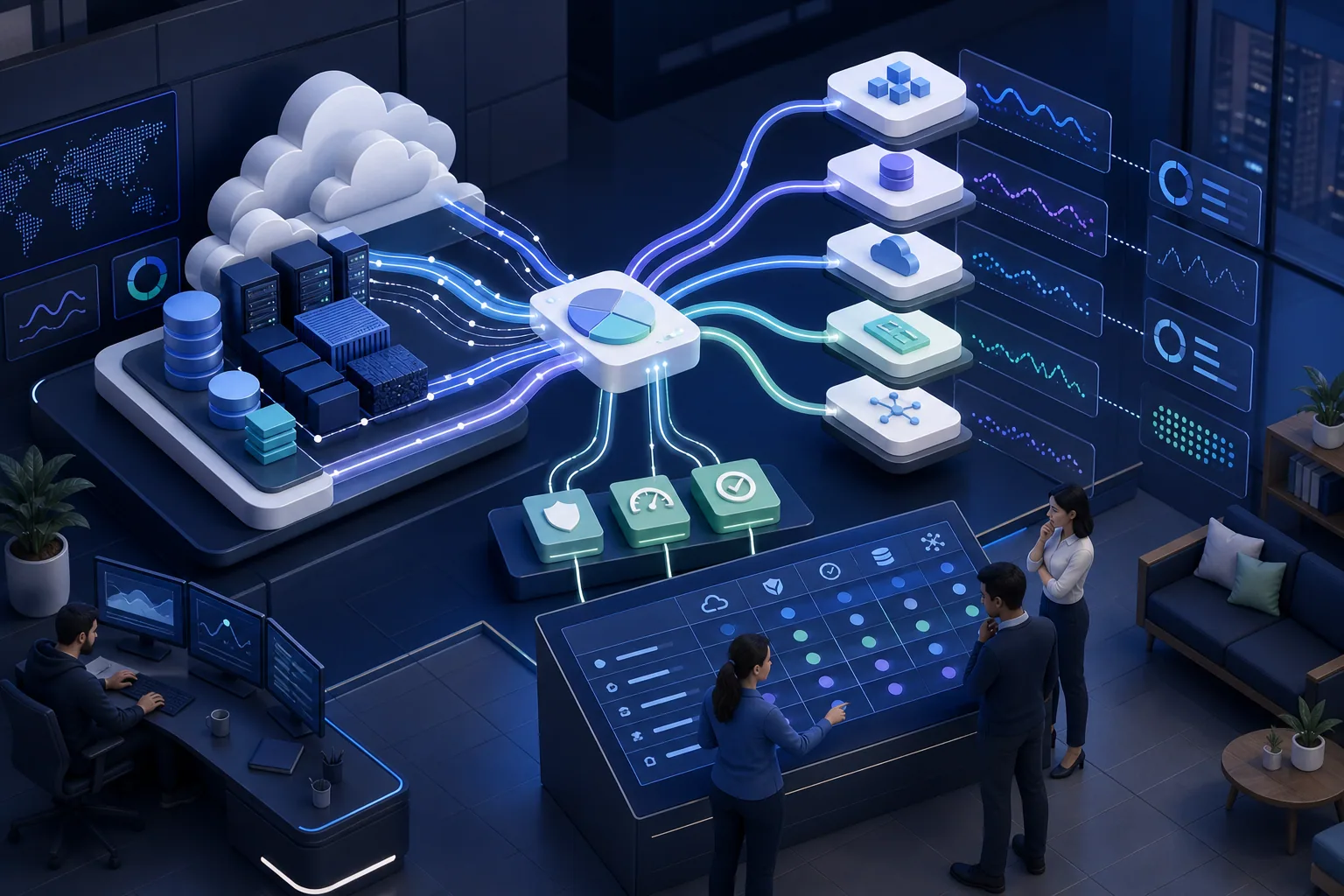
Connect cloud and platform spending to cost per workload, deployment, transaction or customer while preserving reliability and business value.
Evaluate AI agents using scenario sets, task success, tool accuracy, handoff quality, policy compliance, latency, reliability, human review and unit cost.